
Growing and protecting environmental, social and financial capital

Aurum’s ESG approach
The Aurum group has always had a strong and committed approach to sustainability, both in the way we run our business and in our approach to social responsibility. You can download our ESG Policy here, and read about Aurum’s industry engagement via our Alternative ESG Symposium here.
Our purpose as a business is to grow and protect capital. Not only our clients’ capital, but also environmental capital; our planet and species and social capital; healthcare and education. We express this through Embedded Impact®.
What is Embedded Impact®?
Aurum is an Embedded Impact® business where donations are structured to proportionately increase as firm AUM increases. Donations are made to selected environmental and humanitarian charities.
This ensures that as we grow and prosper as a business, we are using this success to create meaningful, positive impact.
Aurum also offers two specific Embedded Impact® Funds where donations are made by Aurum from advisor fees.
Aurum’s support has directly contributed to:
Buglife

SE Congo Basin

forests now recognised
Hutan
Aurum’s support for environmental initiatives aims to
address 13 of the UN’s 17 Sustainable Development Goals:

Synchronicity Earth Amazon to Atlantic Programme | Conservation
The Amazon to Atlantic initiative aims to protect biodiversity and biocultural diversity across the Amazon biome and its surrounding ecosystems. It was launched in 2024 by Synchronicity Earth, with funding support from Aurum Kaleidoscope and other partners. The Atlantic Forest is a rich and diverse tropical and subtropical forest biome located along the Atlantic coast of South America. This innovative programme takes an Indigenous Peoples and Local Communities (“IPLC”)-led approach to conservation, grounded in the understanding that long-term ecosystem protection and resilience stem from empowering those most intimately connected to the land. The initiative has already supported impactful work across Ecuador and Brazil, with efforts in community mobilisation, legal advocacy, reforestation, biodiversity protection, and Indigenous land rights.
The Amazon to Atlantic initiative addresses conservation needs across interconnected regions spanning the Amazon basin to the Atlantic Forest, focusing on:
- Supporting increased funding for IPLC in the Amazon basin and biomes surrounding the Amazon that sustain the forest.
- Amplify the voices of marginalised communities in and around the Amazon to communicate the threats of, and locally led solutions to, deforestation, environmental destruction, and human rights violations.
- Connect with a wide range of organisations, from donors to grassroots groups, to build a stronger, broader, and more deeply connected movement to protect the Amazon and the surrounding biomes.

Synchronicity Earth Amphibian Programme | Conservation
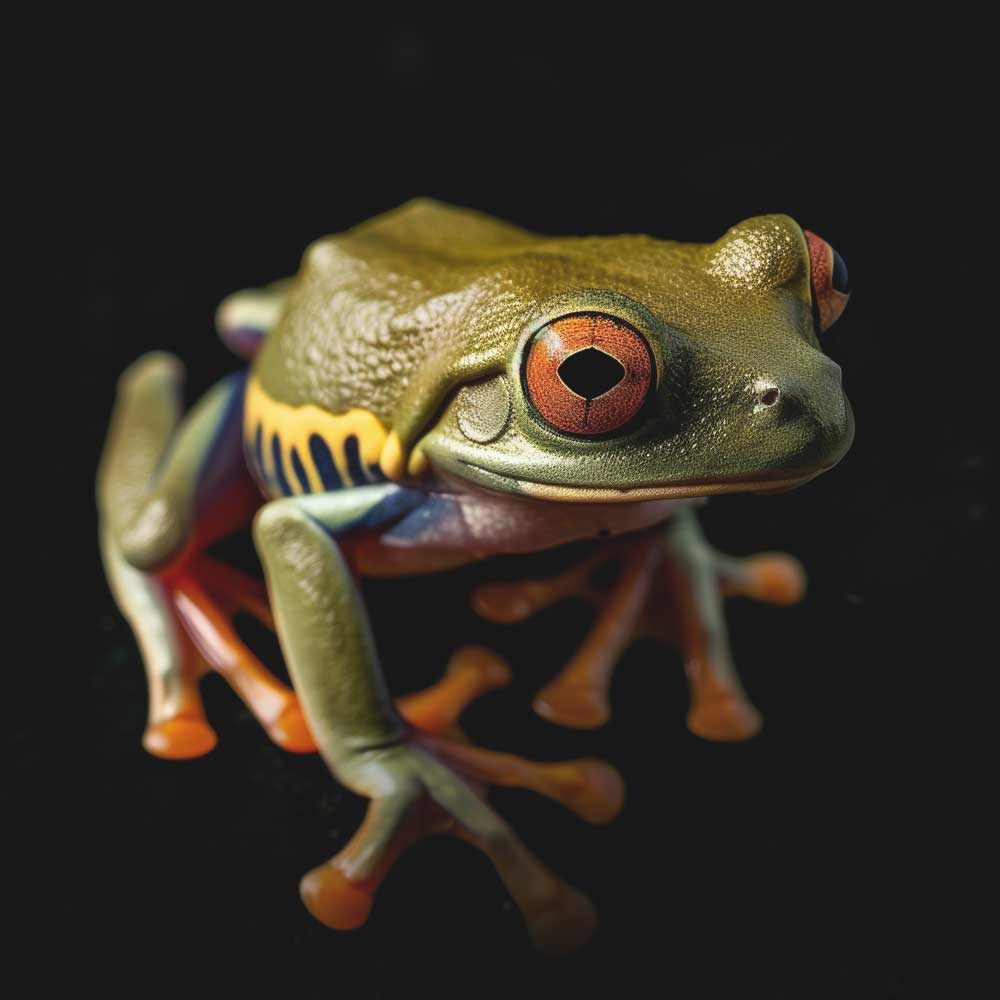
Earth is home to more than 8,000 species of amphibians – frogs, toads, salamanders, newts and worm-like caecilians. These fascinating animals exhibit a remarkable diversity of colours, forms and appearances and have inspired human cultures around the world for millennia. Unfortunately, amphibians are by far the most threatened group of vertebrates, the International Union for Conservation of Nature (the “IUCN”) identifies 41% of species are threatened with extinction.
Synchronicity Earth’s Amphibian Conservation Programme aims to support and catalyse conservation efforts for Threatened amphibians through the mobilisation of new resources and information. This is achieved through three goals:
- Improve the knowledge base to guide amphibian conservation.
- Fund and support increased amphibian conservation on the ground.
- Support the development of amphibian conservation organisations.

Synchronicity Earth Asian Species | Conservation
Southeast Asia has an incredibly rich and vibrant diversity of wildlife and boasts some of our planet’s most extraordinary natural wonders. It is home to a vast range of unique terrestrial and freshwater species, while its seas teem with life and are some of the most biodiverse marine ecosystems on Earth. But this extraordinary natural heritage faces unprecedented threats from habitat destruction, climate change, and overexploitation. Without direct, on-the-ground species conservation action, this amazing biodiversity will likely be lost forever.
Synchronicity Earth’s Asian Species Programme aims to support local leaders and communities to catalyse conservation efforts for the most threatened and overlooked species. The programme currently focuses on three strands:
- Conserving species – providing direct support, particularly to locally-led conservation groups, for some of the most threatened and overlooked species in Asia, with a focus on Indonesia, the Philippines, and Vietnam.
- Developing the Southeast Asian conservation sector
– supporting organisational and individual development and autonomy to achieve species conservation goals. - Advancing knowledge – building the knowledge base on Asian species and their conservation needs, thus enabling actions to be prioritised.

Synchronicity Earth Biocultural Diversity Programme | Conservation
80% of the Earth’s remaining terrestrial biodiversity is found within lands managed or governed by IPLCS. These groups, often descended from the original inhabitants of their regions, continue to demonstrate deep-rooted, sustainable relationships with the ecosystems they steward. Recent studies reaffirm that biodiversity thrives where IPLCS retain land rights and have the autonomy to protect their territories from external threats such as extractive industries and deforestation.
However, despite their pivotal role in environmental preservation, IPLC organisations receive less than 1% of global climate finance. In 2024, calls to increase direct funding to these communities have grown louder, with the international climate and conservation sectors recognising that supporting IPLC leadership is essential to achieving both biodiversity and climate goals.
Recognising the vital relationship between nature and culture, Synchronicity Earth’s Biocultural Diversity Programme works through long-term collaboration with local partners to enhance conservation efforts by:
- Providing financial support to grassroots organisations.
- Strengthening skills and knowledge-sharing among partners.
- Promoting Indigenous leadership and decision- making in conservation.
- Collaborating with global donor alliances to expand impact.
The programme focuses on regions where this diversity is greatest and most threatened, providing increased funding to grassroot partners whilst establishing strong, long-term relationships and supporting Indigenous leadership growth.

Synchronicity Earth Congo Basin Programme | Conservation
The Congo Basin is home to the world’s second largest rainforest and Africa’s second-longest river. This region contains an incredible array of species, as well as acting as a major carbon sink for climate change mitigation, while supporting the livelihoods of 90 million people. For generations, IPLCS have safeguarded the Congo Basin’s biocultural diversity. However, the impact of industrial developments due to unsecured land rights severely jeopardises the future of this region and its people. Building the resilience of forest people is key to safeguarding this unique ecosystem.
Conservation work in the area faces huge challenges, but empowering IPLCS to defend their territories is essential for biodiversity, ecosystems and human wellbeing in the long term.
Synchronicity Earth’s Congo Basin Programme supports its partners working in the Democratic Republic of Congo (“DRC”) and Cameroon to:
- Resist destructive developments that threaten forests and rivers.
- Empower forest peoples to defend their territories.
- Protect and revive ecosystems through regenerative approaches to development.

Synchronicity Earth Freshwater Programme | Conservation
Freshwater habitats host some of the most diverse and productive ecosystems on Earth. They are of critical importance for global biodiversity, human prosperity, and climate mitigation and adaptation. Despite this, wetlands are being destroyed three times faster than terrestrial forests and are among the most threatened environments globally. The people and wildlife that are most impacted by their rapid loss and degradation are not receiving the attention or support they need to avoid further declines.
Synchronicity Earth’s Freshwater Programme is committed to addressing the challenges facing freshwater ecosystems. The programme supports a diversity of actors, ranging from grassroots organisations to global campaigns that aim to elevate, protect, and restore highly biodiverse freshwater ecosystems across the globe. Supporting this network is key to unlocking a resilient future with clean water, food safety, sustainable local livelihoods, and water security, all supported by resilient and thriving freshwater ecosystems and species.
To achieve this, the programme focuses on three overlapping and complementary strands of work:
- Protecting species – Catalysing conservation action for freshwater species in partnership with SHOAL.
- Empowering people – Empowering local communities to build capacity, advocate for, and protect freshwater ecosystems.
- Advancing knowledge – Advancing knowledge systems and collaborative action for freshwater conservation.

Synchronicity Earth Ocean Programme | Conservation
The ocean is fundamentally important to life on Earth, making up 97% of the habitable volume on our planet. It is home to an estimated 2.2 million species and supports the livelihoods of over three billion people. Ocean currents are key to global weather patterns, processes in the ocean produce half of the world’s oxygen, and ocean ecosystems absorb a quarter of the carbon dioxide emitted by humanity. Ocean conservation work only receives a very small percentage of total environmental funding from UK trusts and foundations, demonstrating an urgent need to increase support to the blue heart of our planet.
Synchronicity Earth’s Ocean Programme focuses on critical, yet less familiar and vastly underfunded, conservation challenges for the global ocean. The programme encompasses three strands:
- Communities and culture – Promoting local community and Indigenous Knowledge, culture and experience in ocean conservation and fisheries management.
- Species and ecosystems – Supporting targeted conservation action for some of the most threatened yet overlooked marine species and ecosystems.
- Research and policy – Addressing key research gaps and systemic changes in policy that are falling through the cracks of ocean conservation work.

SHOAL Partnership | Conservation
Freshwater ecosystems are at the sharp end of the global biodiversity crisis, with an 81% decline in species abundance since 1970. This is a more severe decline than for any other ecosystem type, yet funding, policy and action for freshwater biodiversity is minimal.
SHOAL was created as a response to the fact that freshwater ecosystems are at the sharp end of the global biodiversity crisis, yet historically haven’t received the attention they desperately need. SHOAL seeks to engage a wide range of stakeholders to accelerate and escalate action to save the most threatened fish and other freshwater species. In doing so, SHOAL aligns with and extends the work of Synchronicity Earth’s Freshwater Programme.
The SHOAL 2032 Strategy has clear targets to shift and transform freshwater species conservation in the next ten years from being almost entirely neglected, to receiving global levels of attention proportionate to the crisis these species face. The five current priority regions are: Mexico, the African Rift Valley Lakes, the Western Ghats in India, the Mediterranean, and Southeast Asia.
To achieve SHOAL’s 2032 vision, they have set the following goals:
- Inspire as many people as possible globally to appreciate and take action for the amazing and vital life that freshwater supports.
- Mobilise a global action network, built from the communities that care, to take action for freshwater fishes.
- Act to make a direct and immediate difference for at least 1,000 of the most threatened freshwater fishes.

Buglife | Conservation
Invertebrates are vitally important to a healthy planet. The food we eat, the fish we catch, the birds we see and the flowers we smell simply would not exist without bugs. Invertebrates underpin life on earth and without them the world’s ecosystems would collapse.
Today, thousands of invertebrate species are declining with many heading towards extinction. There are more than 40,000 invertebrate species in the UK, and due to changes in land use and other human impacts, many of these are under threat as never before.
Buglife is the only organisation in Europe devoted to the conservation of all invertebrates. Founded in 2002, Buglife is the very first conservation organisation that incorporates all aspects concerning the preservation and protection of invertebrates. Its aim is to halt the extinction of invertebrate species and to achieve sustainable populations of invertebrates. The overall vision is for a wildlife-rich planet where other species thrive alongside people.

International Union for Conservation of Nature | IUCN
Aurum Kaleidoscope supports the International Union for Conservation of Nature (IUCN). Created in 1948, IUCN has evolved into the world’s largest and most diverse environmental network. IUCN harnesses the experience, resources and reach of its 1,400+ member organisations and the input of some 17,000 experts. IUCN is the global authority on the status of the natural world and the measures needed to safeguard it. IUCN provides public, private and non-governmental organisations with the knowledge and tools that enable human progress, economic development and nature conservation to take place together.
Unrestricted donations helping to cover IUCN core costs are crucial for delivery of a range of vital activities, from maintenance of the Red List of Threatened Species, to innovation, to programme development & delivery, to policy influence, to championing nature’s role in achieving the Sustainable Development Goals.
Aurum Kaleidoscope’s donation to core funding allows the organisation to remain strategic and deliver its mission to ‘Influence, encourage and assist societies throughout the world to conserve the integrity and diversity of nature and to ensure that any use of natural resources is equitable and ecologically sustainable.

BZS | Regeneration
The Hungry Bay mangrove ecosystem in Bermuda is facing critical decline, largely due to the significant erosion of the protective peninsula since Hurricane Fabian in 2003. This erosion allows large waves and storm surges to penetrate the mangrove forest, causing widespread diebacks of Black and Red Mangroves. This degradation leads to sections of the forest being submerged or exposing roots that cannot naturally regenerate.
The Bermuda Zoological Society’s (“BZS”) established the Micro Forest Project in Hungry Bay, working to restore, protect, and improve the management of this critical mangrove ecosystem which is in decline due to rising sea levels, storm surges, and erosion.

Hutan | Regeneration
Aurum takes a holistic approach to carbon balancing which focuses on building resilience and regenerating ecosystems alongside sequestering carbon, while avoiding some of the pitfalls associated with some lower quality schemes. The programme, in collaboration with Synchronicity Earth and supported by the Aurum Kaleidoscope Foundation, has evolved to address broader systemic challenges.
In 2015, the Regeneration programme was created in collaboration with Aurum and Synchronicity Earth Project and continues to be supported by Aurum Kaleidoscope. Over time this project has evolved into the More Than Carbon programme which Synchronicity Earth uses to support a range of projects providing carbon balancing.
It places equal emphasis on nature, climate, and people, supporting work to protect biodiversity, reduce the impacts of climate change, and contribute to human security, health, and wellbeing. Contributing funding to this initiative helps businesses balance their impact on the natural world, in terms of both emissions and nature, and meet environmental and social responsibilities.
Aurum Kaleidoscope directly supports Hutan, a locally based conservation organisation in Sabah, Malaysian Borneo. Hutan’s reforestation team, made up almost entirely of women, is working to restore a key wildlife corridor that was previously decimated by years of palm oil plantation ownership. In August 2018, following negotiations, 45 hectares of land were allocated for Hutan’s restoration project to conserve species like Bornean orangutans and pygmy elephants.

Wildscreen Festival | Inspiring others
The Wildscreen Festival is the world’s leading natural world storytelling festival, held biennially in Bristol. It champions the intersection of storytelling, conservation, and impact media, drawing together a global community of filmmakers, scientists, and changemakers. Wildscreen 2024 marked the 42nd edition of the event and was its most ambitious yet, supported by a diverse range of partners and sponsors including Aurum Kaleidoscope.
Wildscreen 2024 ran from 14–18 October and expanded its offering significantly, featuring over 105 events including headliners, masterclasses, panel discussions, screenings, outreach workshops, and networking sessions. The festival operated across three main venues and a new dedicated workshop space, reflecting growing attendance and participation.
The programming was built around four thematic pillars: Craft, Global Voices, Industry, and Planetary Crises. With 230 speakers from 31 countries and an Official Selection of 35 standout films representing 45 languages and 54 nations, the 2024 edition celebrated inclusion and innovation.
Aurum’s support has directly contributed to:
Adara – Baby Ubuntu

Africa Food for Thought

Screen share

Aurum’s support for humanitarian initiatives aims to
address 14 of the UN’s 17 Sustainable Development Goals:

Acumen | Changing the way the world tackles poverty
More than two billion people around the world lack access to basic goods and services—from clean water and electricity to an education and the freedom to participate in the economy. A new approach is needed to address the root causes of poverty and increase equity of opportunity.
Acumen is a global non-profit that invests in sustainable businesses leaders, bold and scalable ideas to combat poverty and expand opportunity. Instead of traditional charity or commercial investment, Acumen uses ‘patient capital’ which is philanthropic funding with the flexibility and long-term horizon needed to help social enterprises grow sustainably.
Through grassroots partnerships, Acumen supports entrepreneurs and ventures across key sectors including healthcare, clean energy, agriculture, financial inclusion, and education. Its vision is a world founded on dignity, where every person has the opportunity to thrive, regardless of background or income.

Africa Food for Thought | Child protection and wellbeing
Africa Food for Thought (“AFFT”) provides food security for children, in support of education. Currently, they support nearly 43 creches and 40 families, benefitting children in the West Rand of Johannesburg, South Africa.
AFFT believes in supporting families caring for orphaned and vulnerable children. Early Childhood Development is the most important time in a person’s life and access to good nutrition and a nurturing environment are critical. By removing food insecurity, children are able to focus more on their education; significant improvements can be observed in academic, sporting and social performance.

Hope and Homes for Children | Child protection and wellbeing
Over 80 years of evidence from across the world has demonstrated the significant physical and emotional harm that orphanages and other institutions can cause to the children who inhabit them, despite having been set up with good intentions. Care within these spaces lacks consistency, permanency, and continuity, and often results in the children being excluded from the wider communities and lagging behind. To avoid the negative impacts of institutionalisation, children need to be placed within families or alternative family-type arrangements.
Hope and Homes for Children (“HHC”) is a UK-based organisation that works across Europe and Africa with a vision of a world in which children no longer suffer institutional care, working towards a day when every child can grow up in a loving family. It works alongside local partners, governments and civil society organisations in over 30 countries to dismantle orphanage-based care systems. The charity moves children out of institutions into family-based care, helps keep together families who are at risk of breakdown due to the pressures of poverty, disease or conflict, and works to prevent child abandonment.

One to One Children’s Fund | Child protection and wellbeing
Around the world, children are living with trauma and disease. The impact on their life chances can be devastating. In the Eastern Cape, where 24% of pregnant mothers are HIV positive, that impact is all the more critical. Half of all infant mortality in South Africa occurs within the first month of life. These children are exposed to HIV in utero and are at even greater risk of infection, low birth weight and infant mortality.
To improve the health and life chances of these children, studies have shown that interventions are most successful if introduced during the first 1,000 days after conception. This in the period of a child’s life that the foundations for optimum health, rapid brain growth and child development are laid.
One to One Children’s Fund aims to rebuild and transform the lives of vulnerable children. One to One identifies the greatest risks children and adolescents face and then works with partners to pilot and deliver cost-effective interventions in healthcare, psychosocial services and education. It trains and empowers people who can best fill the critical gaps in care for those children by providing relatable role models to make healthcare more inclusive.
In the rural Eastern Cape, South Africa, the Enable Project targets the most vulnerable mothers and children up to the age of five, through door-to-door visits. Local women are empowered and equipped with skills and knowledge to carry out basic health checks. These women are referred to as Mentor Mothers.

Ashoka | Disability and inclusion
Ashoka is the world’s leading network of social entrepreneurs. Ashoka supports over 3,900 Fellows across 90+ countries, with 650 million people impacted by their work globally. Ashoka Fellows are leading social innovators, entrepreneurs whose systems-changing ideas are transforming their fields and creating lasting social impact. Since March 2024, they have been collaborating with The Seneca Trust to identify and support more changemakers working on disability innovation, mainstream inclusive practices across its global operations, and to increase visibility for disability-led solutions worldwide.
Historically, fewer than 10% of Ashoka Fellows focused on disability. To address this, Ashoka launched a strategic program to:
- Map existing disability Fellows (219 as of mid-2024).
- Increase nominations, especially from the Global South.
- Train all Venture staff—the team responsible for identifying and selecting Ashoka Fellows—in disability awareness using the BAIA (Build an Accessible and Inclusive Ashoka) framework to establish a global team to champion inclusive candidate selection.
- Launch a global communications campaign to boost visibility and outreach.
- Build and nurture partnerships with key stakeholders in the disability field.

Fair Play Playground | Disability and inclusion
Playgrounds across the UK are not inclusive in the way they need to be, preventing disabled children from the health benefits and socialisation that most other children and families take for granted. Making playgrounds accessible, enabling children of diverse abilities to be able to play together, promotes a healthier society for all.
Fair Play playground, opened in February 2024, was installed as a model playground for local authorities and landscape designers in the UK to be able replicate in part or in whole. It is part of a campaign for all playgrounds across the UK to become more inclusive.
The Seneca Trust, supported by Aurum, spearheaded the development of Fairplay Playground. The Seneca Trust worked with Barnet Council, North London, in February 2022 to design the playground, project manage the build and run the administration around funding and fundraising. Fair Play is one of the Borough of Barnet’s public playgrounds.
Fair Play, the first of its kind accessible and inclusive playground in the UK, has been purposefully designed to enable people of all ages and abilities to play together. It was designed in coordination with disabled residents, parents, carers and accessibility experts, and features enjoyable play equipment that everyone, able- bodied or with cognitive or physical disabilities, can use.
The playground features:
- Wetpour safety surfacing across the whole play area to ensure that it is wheelchair accessible and is not hard. There is a textured path for the visually impaired.
- Single entrance and exit to prevent users leaving without their carer’s knowledge.
- Accessible equipment allowing children of all abilities to play alongside one another. Equipment that enables rocking, swinging, spinning, climbing and sliding.
- Customised communications boards for non-verbal people, people who don’t speak the same language or have dementia. Pictures are easier to process than words. People can point to the relevant picture to communicate their wants, needs and feelings. This playground is one of the first public spaces in the UK to feature these boards.
- Accessible facilities, as well as quiet spots for downtime and fully wheelchair accessible picnic area and seating allowing families and friends to sit together.
The vision is that inclusive play will reduce stigma, through positive experiences in a society where social integration and physical fitness are important to all of us.

Unitas | Education
Many young people, especially in disadvantaged areas, lack constructive activities after school and during free time. Young people often struggle with loneliness, lack of community connection, and mental health challenges.
Unitas is North London’s largest provider of youth services, serving over 3,500 young people each year across a range of programmes and partnership. The organisation offers young people somewhere safe to go, something fun to do, and someone to talk to. By addressing these interconnected challenges, Unitas aims to empower young people, reduce youth-related social issues, and help individuals reach their full potential through comprehensive, community-centred support.
In 2024, Unitas finished the year with over 3,100 active members. young people who regularly participated in its programmes and made consistent use of its facilities.
This distinction between overall reach and core engagement highlights the dual strength of Unitas’s approach: reaching thousands while deeply supporting a committed membership base. Still, despite its scale, Unitas considers itself a ‘Best Kept Secret’ in North London, a surprising reality given its location in one of the most densely populated areas. To address this, the organisation has invested in marketing and communications to build awareness, drive membership, attendance, and facility utilisation by community groups and businesses.

Project Zero Technology Forum | Disability and inclusion
The Zero Project finds and shares solutions that improve the daily lives and legal rights of all persons with disabilities. The Zero Project Technology Forum is a flagship, invitation-only event held annually in Vienna, one day before the main Zero Project Conference. It brings together cutting-edge ICT innovations with the global ecosystem of partners, investors, and stakeholders committed to advancing disability inclusion. The 2024 Forum showcased the best in accessible technology, enhancing collaboration opportunities and paving the way for broader implementation of impactful solutions for persons with disabilities.
Initiated in 2023, the Technology Forum aims to identify, support, and scale the most promising ICT-based innovations that enhance the lives of persons with disabilities. The 2024 edition took place at Unicredit Bank Austria-Kaiserwasser on 20 February, and included the following:
- 25 innovators pitching accessible tech solutions.
- Attendance from major ICT companies (e.g., Google, Microsoft, Atos, Apple), UN agencies, investors, and global NGOs.
- A mix of structured matchmaking and informal networking, with sessions designed for engagement and inclusive dialogue.

Equitable AI Alliance | Disability and inclusion
The Equitable AI Alliance (“EAIA”) was launched in July 2024 to ensure that AI development, application, and policy are equitable and inclusive of persons with disabilities. With a mission to amplify underrepresented voices in AI discourse, EAIA builds strategic alliances, delivers thought leadership, and develops resources that bridge the gap between technological innovation and disability rights.
The EAIA is guided by an Advisory Board of 18 international experts from civil society, the tech sector, and organisations of persons with disabilities (“DPOs”). This multidisciplinary group ensures that EAIA remains grounded in both technical expertise and lived experience. The Board sets strategic direction, advises on priorities, and helps shape a global advocacy agenda. Regular meetings and ongoing collaboration support a responsive, inclusive, and participatory approach to advancing disability-inclusive AI.

Global Symbols | Disability and inclusion
Augmentative and Alternative Communication (“AAC”) symbols are essential tools for individuals with complex communication needs, including those with intellectual and developmental disabilities, autism, cerebral palsy, and other conditions affecting speech and language. Millions of individuals rely on AAC systems, from picture boards to high-tech speech-generating devices, to express themselves, build relationships, and access education, healthcare, and justice. The need for AAC symbols is especially acute in low- and middle-income countries, where awareness, resources, and trained professionals are limited.
Global Symbols was formed to support communities in creating the communication resources they need to support people with communication needs based on local language and culture. The work is based upon principles of open access, with materials developed under open source, Creative Commons, and Open Educational Resource licences. Each community served is the subject of a separate project, blending the expertise of the GS team with local knowledge and experience from within the community.

Frozen Light | Accessible music and theatre
Frozen Light specialises in creating multi-sensory theatre specifically for audiences with profound and multiple learning disabilities (“PMLD”). They develop and tour original shows across the United Kingdom to theatre venues and arts centres. The company is committed to building safe spaces for joyful sensory exploration and is working towards making the sensory mainstream and the mainstream sensory.
Frozen Light creates exciting and original multi-sensory theatre for audiences with Profound and Multiple Learning Disabilities (“PMLD”) and tours it to theatre venues and arts centres nationwide. Founded in 2013, Frozen Light has created seven shows which have toured to over 70 venues across the UK. It strives to build safe spaces in which to take risks and transport its audiences to sensory worlds filled with awe and wonder. Frozen Light works to create theatre you can touch, theatre you can smell, theatre that happens during intimate one to one interactions and theatre that is collective.

Electric Umbrella | Accessible music and theatre
Electric Umbrella exists to tackle the widespread exclusion and social isolation experienced by learning disabled and neurodivergent people. Despite the power of music to connect and empower, opportunities for these individuals to take the stage, express themselves creatively, and be seen as leaders remain limited. Too often, learning disabled people are passive recipients in cultural spaces rather than active, celebrated contributors.
Electric Umbrella is a charity that creates amazing, live interactive music experiences with learning-disabled people. Over the past ten years, they have run music sessions across Hertfordshire to combat social isolation and create meaningful experiences.
The charity was founded by a musician and an art therapist, who recognised there were few opportunities for learning-disabled people to take to the stage. Their core belief, in a nutshell, is that “There is No Such Thing as Normal”. Electric Umbrella seeks to create a more inclusive society, celebrating difference and inspiring community connection. They empower learning disabled and neurodivergent people of all abilities, fostering confidence, skills, and leadership potential.

Folk Beyond | Accessible music and theatre
Access to meaningful activities and inclusive entertainment can often be limited for learning disabled adults. Specifically, the Folk Beyond program was developed to address the need for continued multisensory folk music and dance sessions for learning disabled adults over the age of 30, as the existing Folk Unlimited program has an upper age limit of 30. This highlights a gap in provision for individuals in this age group who wish to continue participating in creative and engaging activities, a challenge that Folk Beyond seeks to resolve by providing a dedicated space and program for them.
Folk Beyond delivers creative, multi-sensory folk music and dance sessions tailored to learning disabled adults over the age of 30. Pilot sessions were run in Autumn 2024 which created a happy and inclusive atmosphere and received positive feedback from parents and carers. These sessions built on the success of Folk Unlimited and were facilitated by a dedicated tutor team.

Moonbeam Theatre | Accessible music and theatre
Many children and young people with PMLD face significant barriers to accessing tailored cultural experiences. Moonbeam Theatre addresses this by creating and touring high-quality, immersive, sensory theatre directly to them in familiar, accessible spaces like schools, charities, and hospices across the UK. Their focus is on fostering cultural engagement and providing meaningful creative opportunities regardless of location or access needs, aiming to provide unique experiences and challenge societal perceptions.
Moonbeam Theatre is dedicated to delivering exceptional, accessible theatre experiences designed for the unique needs of young people aged 5-18 with PMLD. Their methodology centres on immersive and sensory storytelling, employing a variety of materials and interactions to build engaging worlds that participants can explore freely and at their own pace. Productions are developed through collaborative research and development workshops in partnership with SEN schools, integrating feedback from the children and educators. This ensures the work is deeply relevant and impactful for the target audience. The resulting sensory performances are then toured, bringing theatre directly to those who face the greatest challenges in accessing mainstream cultural events.

Special Olympics Camden | Disability and inclusion
The Special Olympics Camden Network (“SOCN”) was established with the goal of connecting Special Olympics GB (“SOGB”) to Camden’s local intellectual disability sports offering, driving health, togetherness, and opportunity through inclusive sports.
London has the largest absolute number of people with intellectual disabilities in the UK, who experience significant health inequality. SOGB has identified London as a priority area for development, and SOCN is considered well-positioned to lead a London-wide SOGB network. The overarching strategy is to develop into SOLondon (or similar), leading the Capital’s SOGB offer. This involves running a regular, high-profile session in the city centre (specifically Regent’s Park), activating a community to drive growth and development, and deploying technology to drive referrals, streamline administration, and improve athlete and community experience.

The Stables | Disability and inclusion
Therapeutic riding benefits people with disabilities by combining physical, emotional, cognitive, and social support in a motivating and enjoyable environment. The horse’s movement improves balance, muscle tone, and coordination, while the experience enhances focus, confidence, and emotional wellbeing. Riders also build communication and social skills through interaction with horses, instructors, and peers. The bond with the horse offers a unique, nonjudgmental connection that promotes trust, empathy, and a sense of accomplishment.
The Stables Horse Activity Centre (“The Stables”), located in Barnet, North London, is a registered charity established in 1994. The Stables has a mission to provide therapeutic and recreational riding opportunities for individuals of all abilities, including those with physical, learning, and social disabilities.
Founded by William Marshall, the centre operates without government funding, relying on income from riding lessons, weekday sessions, and fundraising activities to sustain its operations.
The Stables is home to 22 horses and ponies of various sizes and abilities, managed by a dedicated team of four permanent staff members with the support of volunteers. The facility includes fully functioning stables, four paddocks, and a newly constructed arena, providing a safe and supportive environment for all participants.

Sierra Leone Autistic Society | Disability and inclusion
Sierra Leone remains one of the poorest countries in the world, with almost one in five children not reaching their fifth birthday. Those with rare and complex conditions face little prospect of getting support and treatment. Within this resource-poor context, those with disabilities, particularly those with neurological conditions and intellectual disabilities, often face devastating social exclusion, with profound educational and livelihood consequences, contributing significantly to ill-health and poverty.The Sierra Leone Autistic Society (“SLAS”) started in 2014 as a Community Based Organisation (“CBO”) and became a national NGO in 2017, with the aim of facilitating access to health, education, psychological and social interventions and strategies for people with disabilities, with a specific focus on those with Autism Spectrum Condition (“ASC”). Today, SLAS provides much needed services in various parts of the country, and many families who receive its services claim it is a ‘lifesaving’ and one-of-a-kind organisation in Sierra Leone.

SLAPWA | Health and safety initiative
In Sierra Leone where people with albinism often face discrimination and have limited access to healthcare, the support provided by Aurum Kaleidoscope via the Seneca Trust enabled essential health services, safe communal space, and critical support for individuals facing life-threatening conditions such as skin cancer and visual impairments. SLAPWA (the Sierra Leone Association of Persons with Albinism) has worked to address these challenges.SLAPWA re-secured its office space in Freetown, providing a safe and accessible hub for individuals with albinism. The office now functions as a multi-use centre: hosting community meetings, distributing sunscreen and protective materials, running workshops and staff training, and serving as secure storage for donated supplies.

Vision Bermuda | Disability and inclusion
In 1954, the Beacon Club began as a social group for people who were blind and vision impaired. It was officially established by the Bermuda Society for the Blind Act in 1957. It was officially registered as a charity in 2013 and began promoting vision health through education and offering specialised professional vision rehabilitation services to assist in promoting independence. The name was subsequently changed to Vision Bermuda to more accurately reflect the mission to serve anyone whose vision loss impacts their day-to-day activities.
Vision Bermuda is dedicated to empowering people who are blind or vision impaired to learn how to live well with vision loss. They provide a full range of specialist services and programmes designed specifically for the needs of Bermuda residents with vision impairments.
Vision Bermuda highlights that vision loss is becoming an increasing problem due to factors like the aging population and sedentary lifestyles, which contribute to diseases such as diabetes and hypertension.

iheart | Cultivating mental health resilience
iheart has significantly expanded its reach and impact in supporting the mental wellbeing of young people across the UK. By prioritising resilience-building over reactive interventions, they have successfully delivered the Wellbeing & Resilience programme to thousands of students, educators, and facilitators.
iheart is dedicated to empowering young people with an understanding that they are not broken or lacking in resilience but have everything they need inside to face life’s challenges. The unique, evidence-based educational programmes have been delivered across schools, youth organisations, and community groups, fostering self-awareness, emotional intelligence, and wellbeing.
In 2024, the programme expanded its digital and in- person reach, providing essential resources and training to teachers and youth workers, who serve as first responders to children struggling with mental health issues. By equipping them with the tools to deliver resilience education, iheart is creating a self-sustaining model that benefits children long after their direct involvement ends.

Roundhouse | Education
There is growing evidence of the increasing complexity of needs presented by young people, including poor mental health, loneliness, lack of employment opportunities and the cost-of-living crisis. Despite the demonstrable value of arts subjects for young people, there has been a significant downgrading of the Expressive Arts within the state education system, leading to the erosion and inequality of creative opportunities over the past 14 years.
The Roundhouse addresses this by supporting young people’s personal and professional development through its creative programmes. Delivered in the Studios and the Roundhouse Works building, these programmes provide young people with the crucial opportunity to try new things, experience failure, build the confidence to try again, and develop resilience. They learn new skills across a variety of art forms, such as podcasting, music production, directing, spoken word, and entrepreneurship. Crucially, the Roundhouse leverages industry connections to give young people the chance to gain invaluable paid experience in the sector.

Screen Share | Refugee support
Digital inclusion isn’t rocket science but its impact can be completely life changing. Screen Share’s mission is to ensure every refugee in the UK has access to a connected digital device and the skills to use it to achieve their goals. They support, inform, and advocate for the digital inclusion of refugees and people seeking asylum in the UK. Screen Share believes that digital inclusion is a necessary condition for creating a welcoming environment where human agency can flourish.
Screen Share addresses digital exclusion among refugees and asylum seekers in the UK, a population facing a pronounced digital access discrepancy due to financial constraints. They recognise that while structural issues affect refugees, many can be addressed by digital inclusion. Their work involves providing laptops, smartphones, internet connectivity, digital skills training, and laptop repair training.
Screen Share supports anyone in the UK with experience of forced migration, including refugees, people seeking asylum, those with humanitarian protection visas, and stateless individuals, across a broad age range and from various countries.

WindReach | Disability and inclusion
WindReach is unique in that it offers a variety of therapeutic and educational experiences for people with varying physical and intellectual abilities, with participants ranging from pre-schoolers to older adults. The organisation delivers evidence-based contextual learning experiences through its core programmes: Therapeutic Riding, Life Skills, Environmental Education, and Adult Day Programmes.
These hands-on activities contribute to the healthy socio-emotional, cognitive, physical, and overall wellbeing of participants.
Celebrating its 25th anniversary in 2024, WindReach is a fully accessible four acre facility located in Warwick Parish, Bermuda, featuring a multi-purpose Activity Centre, Animal Zone, Therapeutic Riding Centre, and a fully-accessible playground. WindReach has significantly impacted the community by expanding its programmes and fostering a nurturing environment where participants can achieve personal goals. The organisation believes that progress is measured in meaningful ways beyond just data points, including how individuals handle adversity, show kindness, take responsibility, work collaboratively, try new things, remain patient, and show empathy.

NPH Haiti | Disability and inclusion
NPH Haiti is a humanitarian organisation committed to transforming the lives of vulnerable children and families through holistic, community-based care. Operating in one of the world’s most fragile states, NPH Haiti provides education, healthcare, and family support services, with a vision to keep children in safe, nurturing family environments and empower communities from within.
Throughout 2024, NPH Haiti’s Special Needs programme remained a vital lifeline for individuals with disabilities, even as the country faced escalating insecurity and humanitarian crises. The programme supported 53 residents across three homes, initiated the construction of a new Special Education and Rehabilitation Centre in the mountains, and expanded access to therapy, education, and community participation. From inclusive playgrounds and creative workshops to monthly church involvement and life-saving medical support, the programme centred on dignity, empowerment, and inclusion. Despite immense logistical and safety challenges, core services were sustained through the tireless dedication of staff and the unwavering support of partners. The mission continues: to create safe, meaningful, and inclusive spaces where every individual can thrive.

Rescue UK | Refugee support
The International Rescue Committee (“IRC”) is a leading global humanitarian organisation that responds to the world’s worst crises, helping people to survive, recover, and rebuild their lives. With a presence in over 40 countries and more than 20 U.S. cities, the IRC delivers life-saving assistance, protection, and long-term support to those affected by conflict, disaster, and displacement.
The IRC is a comprehensive humanitarian agency that works in crisis zones and host communities around the world. Its programmes address a wide range of urgent needs including healthcare, education, safety and economic wellbeing. The IRC also provides critical support for resettlement and integration for refugees in the United States and elsewhere. In addition to its field work, the organisation engages in evidence-based policy advocacy and systems change to influence how humanitarian aid is delivered globally.

Our Second Home | Refugee support
Our Second Home (“OSH”) is tackling the deep-rooted challenges faced by young refugees in the UK. These include social isolation, trauma, language barriers, and a lack of belonging. In a national climate that often marginalises them, OSH offers transformative experiences through residential trips, youth hubs, mentorship, and leadership training that empower young people not just to survive, but to thrive.
OSH is a peer-powered youth movement that supports young people from refugee backgrounds (aged 14-18) to build lasting relationships, gain leadership skills, and create a thriving community. By providing the tools to develop strong relationships, gain critical life skills, and envision a hopeful future, OSH is helping young refugees turn displacement into strength, and a new country into a true second home.

Purple Vest Mission | Refugee support
The Purple Vest Mission is a global initiative launched in March 2022, aiming to ensure that people with disabilities and the elderly are not left behind during emergencies. The mission focuses on providing accessible evacuation, humanitarian aid, and support for individuals who choose to remain in place during crises. Through training, coordination, and direct assistance, the Purple Vest Mission strives to create inclusive emergency preparedness worldwide.
The Purple Vest Mission addresses the unique challenges faced by people with disabilities and the elderly during emergencies. The mission provides customised training for organisations, municipalities, and individuals on how to offer emergency services in an accessible manner.
The mission gained prominence during the war in Ukraine, where many individuals with disabilities and the elderly were left behind due to inaccessible evacuation processes. In response, the Purple Vest Mission facilitated over 3,996 accessible evacuations and provided supplies to more than 10,000 people in Ukraine. The initiative also received support from The Nippon Foundation, the Ministry of Foreign Affairs in Israel, and the Accessibility Accelerator from the USA.

Refugees at Home | Refugee support
Refugees at Home is a UK charity dedicated to addressing the urgent issue of homelessness among refugees and asylum seekers. Many individuals fleeing war, persecution, and violence arrive in the UK seeking safety, only to face the risk of sleeping rough due to a lack of accommodation options. The charity’s mission is to ensure that every refugee and person seeking asylum has access to a safe place to stay, providing them with stability and a chance to rebuild their lives.
Refugees at Home operates by connecting individuals with a spare room in their home to refugees and asylum seekers in need of temporary accommodation. Through a thorough vetting process, Refugees at Home matches hosts with guests, offering support and guidance throughout the hosting period. This initiative not only provides immediate shelter but also fosters long-term relationships, helping refugees integrate into their new communities.

MSF | Refugee support
Médecins Sans Frontières (“MSF”), also known as Doctors Without Borders, is a leading international humanitarian organisation founded for emergency medical aid. MSF provides emergency medical assistance to populations affected by armed conflict, epidemics, natural disasters, and exclusion from healthcare. MSF operates in over 70 countries providing relief to the victims of war, natural disasters and epidemics irrespective of race, religion gender or political affiliation.
MSF has operated in Sudan for over 45 years, adapting its approach to deliver life-saving care in one of the world’s most complex humanitarian environments. In 2024, as conflict between the Sudanese Armed Forces and Rapid Support Forces intensified, MSF maintained a steadfast presence, guided by its core principles of neutrality, impartiality, and independence.
MSF used a flexible, decentralised approach, running fixed and mobile clinics across 11 states. This allowed rapid response to shifting frontlines, while local partnerships ensured continuity of care in hard-to– reach and high-risk areas.
Throughout these operations, MSF maintained its principles of neutrality, impartiality, and independence, ensuring that aid was delivered based on need alone.

War Child | Refugee support
War Child is a global charity dedicated to protecting, educating, and advocating for the rights of children affected by conflict. Operating in 15 countries across Africa, Asia, the Middle East, and Latin America, War Child provides essential services such as education, psychosocial support, child protection, and livelihood assistance.
Established in 1993 in the UK, War Child has grown into a global network comprising organisations in the Netherlands, Germany, Sweden, and the United States (operating as Children in Conflict). In 2024, these organisations formed the War Child Alliance, a collaborative effort to enhance the impact of their programs and advocate for children’s rights in conflict zones. The War Child Alliance focuses on integrating efforts, sharing resources, and empowering local leadership to address the needs of children affected by war.

World Central Kitchen | Refugee support
World Central Kitchen (“WCK”) is first to the frontlines providing meals in response to crises. WCK sees firsthand the destruction and strain disasters inflict, and they know that a hot plate of food provides nourishment, hope, comfort, and dignity during challenging times. By applying the model of quick action, leveraging local resources, and adapting in real time, WCK has served more than 450 million nourishing meals around the world.
To enable their work, WCK establishes Relief Kitchens and partners with local restaurants and community organisations. WCK adapts continuously to meet the unique needs of each community, navigating obstacles with innovation. Their Emergency Response Teams are positioned strategically and led by local “Food Fighters” in places like Ukraine, highlighting communities as their superpower.

LSHTM – Baby Ubuntu | Child protection and wellbeing
The Baby Ubuntu programme focus on providing early care and support for young children with developmental disabilities and their families to thrive. The programme emphasises the importance of engaging with its wide community of children, caregivers, families, and providers, ensuring that their voice remains at the heart of the programme. This includes raising awareness of the lived experience of caregivers and families caring for children with developmental disabilities. It also focuses on empowering individual carers by providing them with practical skills and helping them to better understanding their child’s condition. At the same time, the programme promotes acceptance and inclusion within communities, and is delivered as an early-intervention, community-based model.
‘Ubuntu’ is the African philosophy of togetherness and is deeply rooted within cultural concepts of community and humanity. LSHTM has designed the ‘Baby Ubuntu’ programme which is implemented across Uganda by Adara see the following page for further information.
The programme aims to help caregivers understand their child’s disability, such as a neurodisability and provides them with practical skills to help care for the child.

Adara – Baby Ubuntu | Child protection and wellbeing
It is estimated that globally 53 million children live with a disability, with 95% living in low- and middle-income countries with little access to specialist services. It is vital that we raise awareness about disability at all levels, supporting individual carers to be empowered to better care for their children, promoting acceptance and inclusion at a community level and lobbying for community- based rehabilitation services to reach families in rural areas globally.
‘Ubuntu’ is the African philosophy of togetherness and is deeply rooted within cultural concepts of community and humanity. Adara implements the ‘Baby Ubuntu’ programme in partnership with the London School of Hygiene and Tropical Medicine (“LSHTM”) see the previous page for further information. This is an early- intervention, community-based programme that supports children aged between six months and four years with a disability and their caregivers. It ensures caregivers understand their child’s disability and provides them with practical skills to help feed, communicate and play with the child.
Aurum’s achievements:
UN PRI

Business operations

committed to environmental
sustainability
TCFD

analysis used to test
portfolio resilience
Aurum’s involvement in engagement initiatives aims to
address 14 of the UN’s 17 Sustainable Development Goals:

Aurum Kaleidoscope Foundation | Innovative financing
Aurum Kaleidoscope was formed in April 2022 as a charitable incorporated organisation which receives substantial donation income from Aurum.
Aurum Kaleidoscope is registered with the Charity Commission for England and Wales and conducts a grant-making process intended to promote the advancement of environmental conservation, social welfare and education.
Aurum is an Embedded Impact business that looks to provide profit with purpose. Aurum’s purpose is to grow and protect its clients capital alongside environmental capital; the planet and species and social capital; healthcare and education.
Over many years, Aurum has selected worthy beneficiaries and has donated to them directly becoming a solid supporter of a wide range of organisations in the process. The growth of the Embedded Impact Approach itself then led to a realisation that, in order to maximise positive environmental and social impact, the due diligence of beneficiaries should be performed by a suitably qualified entity that is structurally designed to exist for the public benefit.
Aurum Kaleidoscope is not a company; it is formed as a corporate body directly regulated by the Charity Commission. This means Aurum Kaleidoscope is solely subject to the legal framework that applies to charities and so refines the focus of the trustees to the pursuit of their charity’s charitable purpose. With the power to do anything which furthers its charitable purpose, Aurum Kaleidoscope is thus freed of the conflict that many companies face under the doctrine of shareholder primacy. This functional segregation provides the perfect balance for Aurum to carry out its Embedded Impact Approach.
Aurum Kaleidoscope has minimised operational expenses due to the resource support provided by Aurum and the Aurum Group. Aurum Kaleidoscope does not employ any staff and does not require office space so can instead concentrate on identifying and verifying the beneficiaries of its grant-making process.
Aurum Kaleidoscope’s Trustees are predominantly made up of Aurum Group colleagues but there is also an independent trustee who provides additional insight and oversight.

Alternative ESG Symposium | Advocacy and engagement
The second Alternative ESG Symposium was held on 16 May 2024. The speakers were made up of academics and specialists in their respective fields and specialised consultants which ensured there was both depth and breadth of knowledge. This event brought together thought leaders, allocators, managers, and industry stakeholders to share insights, best practices, and challenges associated with ESG implementation in hedge funds and other alternative strategies. The symposium served as a unique platform for critical dialogue, fostering transparency, accountability, and innovation in ESG practices.
As ESG continues to shape the future of investment strategies, the Alternative ESG Symposium offered a specialised lens into its adoption within the alternative investments sector, a space often underrepresented in mainstream ESG discourse. The event, launched by Aurum in collaboration with key partners, focused on practical ESG adoption, manager perspectives, allocator expectations, regulatory trends, and the evolution of ESG data.
Sessions featured a combination of keynote speeches, panel discussions, and interactive Q&A segments, with a particular emphasis on:
- Manager transparency: Exploring how hedge funds can improve ESG disclosures and reporting.
- Data challenges: Addressing the fragmented ESG data landscape and the limitations of standard ratings.
- Engagement vs. exclusion: Debating effective ESG approaches within complex strategies.
The event was designed to foster candid conversations and peer learning, drawing a cross-section of industry professionals committed to driving meaningful ESG progress.

Aurum Embedded Impact | Innovative financing
One of the biggest challenges for the NGO sector is in securing stable multi-year annuity style funding. To fill this gap, Aurum has worked to pioneer innovative financing models, creating a selection of endowment funds to secure unrestricted, stable multi-year programmatic funding for Aurum’s allied charities.
Aurum is a fully Embedded Impact business, a proprietary term reflecting how Aurum at a corporate level implements ESG initiatives. The first element of this approach is that donations are structured to proportionately increase as firm AUM increases.
The second element is that Aurum also offers two Embedded Impact Funds, where Aurum makes donations derived from the investment management fees to environmental and social causes:
- The first Embedded Impact investment fund, which launched in 2002, Aurum makes donations to environmental charitable causes including Synchronicity Earth, a registered charity that supports the conservation of biodiversity, ecosystems and species at risk around the world.
- The second Embedded Impact fund, Aurum splits the donations across social causes including The Seneca Trust, a charity focused on disability, health, displacement and education and environmental causes including Synchronicity Earth. This is achieved through providing grants and direct assistance to charities and organisations.
Since inception to 31 December 2024, Aurum’s Embedded Impact approach has given more than $43 million to support charitable endeavours around the world.

Mobilising the Hedge Fund Industry | Advocacy and engagement
The hedge fund industry deals with complexity and risk every day. Fundamental to the industry’s success are analysis of data and the need to understand the impact of trends and systemic change. By extending this approach to environmental impact, the industry is ideally placed to both understand the problems and be part of the solution.
Aurum has a goal to galvanise the hedge fund industry to have a net positive environmental impact. To achieve this the Aurum Group engages and collaborates with external stakeholders including underlying managers. This primarily involves candid discussion and providing educational materials and guidance on how environmental philanthropy can benefit both their businesses and wider society.
Manager data | Advocacy and engagement
Aurum’s research subsidiary Aurum Research Limited’s (“ARL”) ESG Team engages with Aurum’s underlying manages on ESG topics to drive evolution within the industry. The focus is on both the corporate and investment approach of the managers and how this is evolving through time.
ESG issues are incorporated into the investment decision-making process when Aurum considers prospective investments and when monitoring portfolio positions. To do this effectively, there is regular engagement with underlying managers.
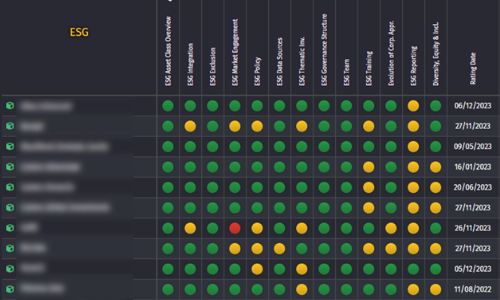
As part of its due diligence process, ARL provides a “Red-Amber-Green” heatmap of different ESG considerations across its underlying managers. The heatmap ratings are amalgamated into ARL’s research system SONAR.
This qualitative approach is used as the underlying managers are not directly comparable meaning it is difficult to have a proper quantitative assessment. If Aurum invests, ongoing ESG monitoring of this nature will also occur. The heatmap approach enables ARL’s ESG team to be able to see the overall ratings of the portfolio and where underlying managers are performing well and where there is room for improvement.
The review focuses on ESG approach from both a corporate and investment perspective. As this is a rapidly evolving area, ARL also looks at direction of travel and commitment to future developments as well as current status.
Underlying managers complete an online ESG questionnaire, and the results are aggregated to ensure effective engagement topics are identified and progress is measured.

Aurum Team | Giving back
Aurum encourages all Group employees to support charities that are important to them and to use their skills and efforts to make a difference.
Aurum runs a programme that supports Aurum Group employee fundraising by up to £1,000 annually per employee. Employees are also able to give a £50 birthday donation to a charity of their choice.
In 2018 the Aurum Group introduced an employee volunteering programme, where staff are allocated two days per year to volunteer. This was enhanced in 2021 from providing London-based volunteering opportunities, to the following options:
- For colleagues who already have volunteering commitments, to be able to use these days for charity of their choice.
- To provide group volunteering opportunities to facilitate team building.
United Nations Principles for Responsible Investment | UN PRI
Aurum became a signatory to the PRI in 2013. The PRI works to understand the investment implications of ESG factors and to support signatories in incorporating these factors into their investment ownership decisions. The PRI acts in the long-term interests of its signatories, the financial markets, and economies in which they operate and ultimately of the environment and society as a whole.
At Aurum, alignment between Aurum’s investment philosophy and client values is fundamental. ESG considerations are embedded into investment processes and ownership practices. Aurum’s commitment to responsible investment is demonstrated through transparent ESG integration, strategic governance, and ongoing policy development.
Task Force on Climate-related Financial Disclosures | TCFD
Reflecting the Aurum Group’s focus on climate change and support for the Paris Agreement’s aim of keeping the increase in global average temperatures to below 2oC above pre-industrial levels, Aurum is a supporter of the Task Force on Climate-related Financial Disclosures (“TCFD”).
Aurum have always been cognisant of the environmental challenges of climate change and both the risks and opportunities this has for us as a business. This TCFD reporting is an important step to strengthening reporting and transparency in this important area.
Aurum believes a robust ESG approach is both a moral and fiduciary duty. ARL’s Head of ESG is responsible for identifying climate risks and opportunities in collaboration with ARL’s investment research and operational due diligence teams. This information is provided to senior management team and to Aurum’s board who are able to opine on these matters. This is from both a corporate and investment perspective.
As well as having this formal process in place, Aurum also believes ESG is the collective responsibility of all group employees. This is reflected in ESG considerations being integrated into all Aurum Group employee objectives. These objectives range from limiting personal and professional environmental impact, ensuring inclusivity in all they do and looking to drive industry and wider societal change by collaborating with other industry participants.
At a business level, the Aurum Group have taken opportunities to reduce their carbon footprint and are particularly cognisant of suppliers and their impact on society.
Business Operations | Reducing our negative impact
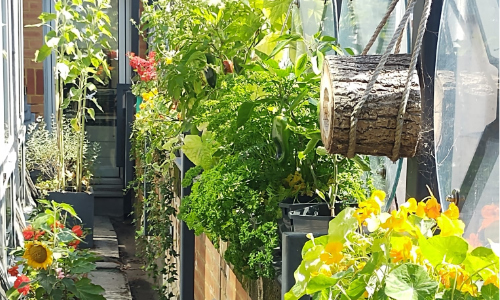
At Aurum, we believe it is important to consider how day-to-day operations can have an impact on environmental and social issues.
The Aurum Group continually reviews its operations, seeking ways to improve efficiency and decrease negative impact.

Cybersecurity | Reducing the risk
Although it may be a sensitive topic, the greatest cybersecurity vulnerability within any organisation is often its people. Human error provides the most accessible pathway for malicious actors to breach a company’s defences, whether by unintentionally disclosing sensitive information or executing untrusted applications. While technical flaws, such as system misconfigurations that open backdoors, also pose risks, they are generally less common. The Aurum Group proactively mitigate these threats through a range of robust systems designed to minimise both human error and configuration vulnerabilities.
During 2024 there was an increase in attacks against Aurum Group infrastructure including significant increases in BotNet attacks particularly against remote access gateways. All these attempts were blocked at the external firewall level. In 2024, nearly 45% of incoming email was blocked for either being spam or phishing, this is in line with 2023. Malware and phishing rates remain lower than the industry average because Aurum is less of a target as they do not hold client funds.
The overall level of cyber-attacks remains at a high level and to reduce the risk to the Aurum Group, a multi- supplier security model is employed utilising independent breach databases with over 500 million events currently being reviewed every month by these systems.